


509-665-9518 Schedule an Appointment Ver En Espanol
Facebook - Elite Chiropractic Instagram - Elite Chiropractic
Elite Chiropractic Logo Wenatchee WA

Elite Chiropractic

  • Auto Accident
  • Spinal Decompression
  • Chiropractic
    • Spinal Decompression
    • Sports Therapy
    • Auto Accident
    • Ver En Espanol
    • Pediatric Chiropractor
    • Prenatal Chiropractic
  • Injuries We Treat
    • Sciatica
    • Migraines
    • Whiplash
    • Headache
    • Back Pain
    • Neck Pain
    • Concussions
    • Neuropathy
    • Work Injuries
    • Auto Injuries
    • Spinal Disc Injuries
    • Sports Injuries
    • Tension Headaches
  • Emergency Chiropractic
  • About Us
    • Meet Our Team
    • Schedule Online Appointments
    • Blog
    • Contact

Sciatic Nerve Pain: How Chiropractic Care Reduces Irritation

Home|Archives forChiropractor
Elite Chiropractic Sciatic nerve pain Wenatchee WA

Sciatic nerve pain, commonly known as sciatica, affects millions of people each year and can range from mildly annoying to severely debilitating. The pain starts in the lower back and often radiates down through the hips, buttocks, and down one leg. Many individuals suffering from this condition struggle with everyday activities, including sitting, standing, walking, or even sleeping.

Chiropractic care offers a non-invasive, drug-free approach to managing sciatic nerve pain by addressing the underlying causes of nerve irritation rather than simply treating the symptoms. 

What Is Sciatic Nerve Pain? 

The sciatic nerve is the largest and longest nerve in the body. It starts as a bundle of nerve roots in the lower back and extends through the hips and buttocks and down each leg. It helps you move your legs, knees, and feet and feel touch, pain, and temperature changes. 

Sciatica occurs when this nerve becomes compressed, inflamed, or irritated. This condition can cause:

  • Sharp, shooting pain down one leg
  • Burning or tingling sensations
  • Numbness in the leg or foot
  • Muscle weakness
  • Pain that worsens when sitting
  • Difficulty standing or walking for extended periods

While sciatic nerve pain is often associated with lower back problems, the source of irritation can vary from person to person. 

Common Causes of Sciatic Nerve Irritation 

Several conditions can contribute to sciatic nerve irritation, including:

Herniated or Bulging Discs — Spinal discs act as cushions between the vertebrae. When a disc bulges or herniates, it can press against nearby nerve roots that form the sciatic nerve. 

Spinal Misalignment — Misalignments in the spine can alter normal movements and put additional pressure on surrounding nerves and tissues. 

Spinal Stenosis — This condition involves the narrowing of the spinal canal, which reduces space for the nerves and puts direct pressure on the sciatic nerve. 

Piriformis Syndrome — The piriformis muscle is located deep in the buttocks. Occasionally, it can tighten or spasm, placing pressure directly on or pinching the sciatic nerve.

Bone Spurs — Rough overgrowths of bone can form on the edges of the spine and pinch the nerve roots extending toward the sciatic nerve. 

Spondylolisthesis — This condition occurs when one vertebra slips forward over the one beneath it. This can pinch sciatica nerve roots. 

Degenerative Changes — Age-related wear and tear of the spine and spinal discs can contribute to nerve irritation and chronic discomfort. 

How Chiropractic Care Helps Relieve Sciatic Pain 
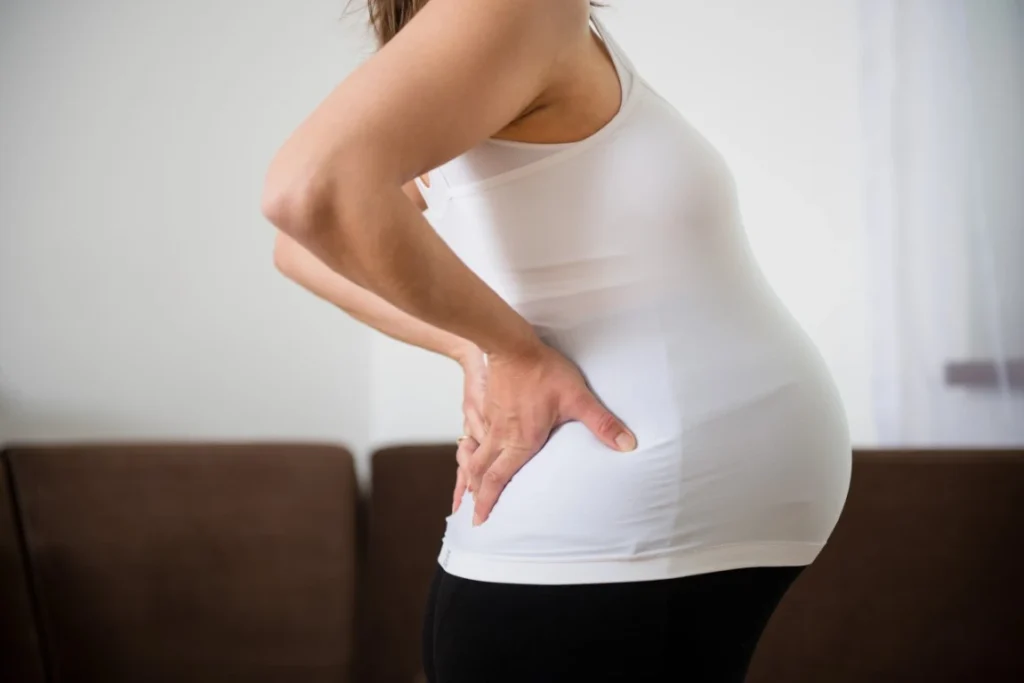
Elite Chiropractic Sciatica Wenatchee WA

Chiropractic care focuses on restoring proper spinal function and reducing mechanical stress on the nervous system. 

Spinal Adjustments 

Chiropractic adjustments help improve spinal alignment and mobility. By correcting areas of restricted movement, adjustments may reduce pressure on irritated nerves and improve overall function. 

Many individuals experience decreased pain and improved mobility after a series of targeted adjustments. 

Reducing Inflammation 

When joints and surrounding tissues can move properly, inflammation often decreases. Less inflammation means less nerve irritation and relief from sciatica symptoms. 

Improving Range of Motion 

Sciatic nerve pain often causes stiffness in the lower back, hips, and pelvis. Chiropractic treatments can help restore mobility, helping you perform daily activities with less discomfort. 

Addressing Muscle Imbalances 

Tight muscles in the hips and lower back can contribute to sciatic nerve irritation. Chiropractors may perform soft tissue therapy and recommend stretches and strengthening routines to reduce tension and improve spinal support. 

Supporting Long-Term Recovery

Rather than focusing solely on symptom relief, chiropractic care often includes education on posture, ergonomics, exercise, and lifestyle habits that help prevent future flare-ups. 

Additional Therapies That May Complement Chiropractic Care

Depending on the individual’s condition, a chiropractor may incorporate additional treatment strategies, such as therapeutic exercises, flexibility and stretching routines, postural correction, soft tissue therapy, lifestyle and ergonomic recommendations, and heat and cold therapy.

These approaches work together to improve function and reduce recurring irritation of the sciatic nerve. 

When to Seek Care for Sciatic Pain 

While some cases of sciatica can improve on their own, you shouldn’t ignore persistent symptoms. Seek a professional evaluation if you experience pain that lasts longer than a few weeks, increasingly severe pain, significant numbness or weakness, difficulty walking or standing, or recurring episodes of sciatic pain. 

Early intervention can often help prevent chronic issues and improve recovery outcomes.

Sciatic Nerve Pain: How Chiropractic Care Reduces Irritation

Finding Relief from Sciatic Nerve Pain   

Sciatic nerve pain can significantly impact a person’s quality of life and make even daily activities uncomfortable. Fortunately, chiropractic care can reduce nerve irritation, restore proper spinal function, and improve mobility, helping people find lasting relief and return to activities they enjoy. 

If you’re struggling with radiating leg pain, numbness, or lower back discomfort, schedule a chiropractic evaluation at Elite Chiropractic and take the first step toward a healthier, more comfortable future. 

Filed Under: Chiropractor

How Stress Affects Your Muscles and Spine

Almost everyone experiences stress on some level, but when this stress becomes chronic, it can start to have a significant impact on your physical health. While many people associate stress with emotional or mental challenges, it can also affect your muscles, joints, and spine. 

Below, we’ll discuss the connection between stress and musculoskeletal health, so you can protect your body. 

The Physical Response to Stress 

When you experience stress, your body activates its “fight-or-flight response.” This is a natural reaction that causes the release of hormones, such as adrenaline and cortisol, to prepare your body to respond to perceived threats. This response can immediately cause increased muscle tension. 

In short bursts, muscle tension can be helpful. But when stress is ongoing, and muscles stay tight for extended periods, you can experience discomfort, fatigue, and pain. 

Common Areas Affected by Stress 

Neck and Shoulders 

Many people carry stress in their neck and shoulders. When muscles tighten up in these areas, people can experience stiffness, reduced mobility, tension headaches, shoulder pain, and upper back discomfort. 

Many people also unconsciously raise their shoulders or clench their jaw when stressed, which adds even more strain to surrounding muscles. 

Upper and Mid-Back

Stress-related muscle tension and shallow breathing often cause the muscles along the spine to tighten. This can cause the area between the shoulder blades to ache, become sore, or stiffen. 

Lower Back 

Chronic stress can increase muscle tension and affect your posture, leading to lower back pain. People under stress may sit for long periods, exercise less, or develop poor ergonomic habits, all of which place additional strain on their lower back.

How Stress Impacts Spinal Health 

Not only does stress affect muscles, but it also influences spinal function. When muscles surrounding the spine become tight or imbalanced, they can alter your posture and movement patterns. Over time, this may place excess pressure on joints, discs, and supporting structures. 

Chronic stress can cause spinal issues such as poor posture, reduced flexibility, increased stiffness, recurring neck and back pain, and increased susceptibility to injury. 

Additionally, stress can amplify pain perception, making discomfort feel more intense than it otherwise would.

Elite Chiropractic Neck Pain Wenatchee WA

The Stress-Posture Connection 

Many people adopt poor posture when they are stressed. Slouching when sitting at a desk, hunching your shoulders, and spending more time on electronic devices can contribute to spinal misalignment and muscle fatigue.

Poor posture creates a cycle where discomfort leads to additional stress, which then increases muscle tension and worsens symptoms. 

Signs Stress May Be Affecting Your Muscles and Spine 

You may be experiencing stress-related musculoskeletal issues if you notice:

  • Frequent headaches
  • Tight neck and shoulder muscles
  • Jaw clenching or teeth grinding
  • Persistent lower back pain
  • Muscle soreness without physical exertion
  • Reduced range of motion
  • Fatigue and tension throughout the day
  • Heightened pain sensitivity 

Recognizing these symptoms early can help prevent them from developing into chronic problems.

How Chiropractic Care Can Help 

Chiropractors focus on supporting proper spinal alignment and improving overall musculoskeletal function. When stress contributes to muscle tension and spinal discomfort, chiropractic adjustments may help restore mobility and reduce strain on the affected areas.

In addition to adjustments, chiropractors can also help you improve your posture, make ergonomic modifications, and implement lifestyle habits that support spinal health. They can also teach you some stretching exercises and stress management techniques. 

Combining chiropractic care with healthy stress-reduction practices helps you manage symptoms and the underlying contributors to discomfort. 

Managing Stress for Better Spinal Health

While you can’t eliminate stress completely, healthy coping strategies can reduce its impact on your body. Consider incorporating regular physical activity, mindfulness, stretching and mobility exercises, and deep breathing techniques in your daily routine, as well as ensuring you get adequate sleep and stay properly hydrated. You should also take breaks if you sit for long periods

Small lifestyle changes can make a significant difference in reducing muscle tension and supporting spinal health.

Elite Chiropractic Ice Or Heat For Your Injury Wenatchee WA

Lower Your Stress to Protect Your Back

Stress not only affects your mood but also directly impacts your muscles, posture, and spine. Chronic tension can lead to discomfort, reduced mobility, and ongoing pain that can interfere with your daily life. By recognizing the physical effects of stress and taking proactive steps to manage it, you can protect your musculoskeletal health and improve your overall well-being. 

If you’re experiencing persistent neck pain, back pain, or muscle tension, consider adding chiropractic care to your wellness plan. A comprehensive evaluation can help you discover underlying issues and receive personalized solutions.

Filed Under: Chiropractor

Car Accidents and Chiropractic Care

Car accidents, even minor ones, can leave lasting effects on your body. While you’ll notice some injuries immediately, others you may not feel for hours or even days. Many people involved in a collision experience stiffness, headaches, neck pain, back discomfort, and reduced mobility. This makes seeking prompt care important, not only for pain relief but also for preventing long-term complications. 

Chiropractic care can help many people manage pain, restore movement, and recover properly following a car accident — without the need for surgery or medication. 

Common Car Accident Injuries

Car accidents place sudden force on the body, often causing muscles, joints, ligaments, and nerves to absorb the impact. Some of the most common injuries include:

Whiplash

Whiplash occurs when the head is rapidly forced forward then backward (similar to the cracking of a whip). This motion strains the muscles, ligaments, tendons, nerves, and soft tissues in the neck and upper back and causes neck pain and stiffness, headaches, shoulder pain, dizziness, and fatigue. It also limits the range of motion.

Because symptoms may not appear immediately, it’s important to get evaluated even if you initially feel fine. 

Back Injuries

The force of a collision can affect the spine and surrounding muscles. After an accident, you may experience a herniated disc, muscle strains, sciatica, lower back inflammation, or mid-back pain. 

These back conditions can interfere with everyday tasks, work responsibilities, and sleep if left untreated.

Soft Tissue Injuries

Muscles, ligaments, and tendons are commonly damaged during accidents. These injuries may cause swelling, bruising, muscle tightness, reduced mobility, and ongoing soreness. 

Unfortunately, soft tissue injuries are often overlooked because they may not show up on standard imaging tests. 

Shoulder and Joint Pain

Wearing a seatbelt, experiencing a sudden force, and bracing yourself during a collision can strain your shoulders, hips, knees, and wrists. If you don’t address inflammation or misalignments, joint pain may worsen. 

Headaches and Concussions

Many people experience headaches after an accident due to whiplash, muscle tension, or head trauma. However, persistent headaches should always be evaluated prompt to rule out more serious injuries. 

Elite Chiropractic Chiropractor Wenatchee WA

Why Symptoms Sometimes Appear Later

Adrenaline released during an accident can temporarily mask pain. Inflammation and muscle tension may also develop gradually over the next few days. 

It’s common for accident victims to experience delayed symptoms, such as neck stiffness, back pain, tingling sensations, headaches, fatigue, and reduced flexibility.

If you start to feel any of these symptoms after an accident, you should seek treatment to avoid the risk of chronic pain and mobility issues.

How Chiropractic Care Can Help

Chiropractic care focuses on the musculoskeletal system, particularly the spine and joints. After a car accident, chiropractors work to identify areas of restricted movement, lower inflammation, and fix misalignments that may be contributing to pain and dysfunction. 

Pain Relief Without Heavy Medication — Many people prefer chiropractic care as it helps reduce dependence on pain medication and naturally relieves pressure on joints and nerves. 

Improved Mobility and Flexibility — Accidents often cause stiffness and restricted movement. Chiropractic treatments may help restore range of motion and improve overall mobility during recovery.

Reduced Inflammation — Spinal misalignments and soft tissue injuries can cause inflammation throughout the body. Chiropractic care may help reduce tension and improve circulation to the injured areas.

Support for Soft Tissue Healing — Many chiropractors incorporate stretching exercises, soft tissue therapy, rehabilitation exercises, massage therapy, and postural correction guidance into appointments to support healing and improve long-term recovery outcomes.

Chronic Pain Prevention — Untreated injuries can cause ongoing discomfort months or years after an accident. Early treatment may help reduce the likelihood of chronic pain conditions developing. 

When to Seek Care After an Accident

You should seek evaluation as soon as possible after a collision, especially if you experience neck or back pain, headaches, numbness or tingling, muscle stiffness, reduced mobility, shoulder pain, or difficulty sleeping. 

Even mild symptoms can signal underlying injuries that may worsen over time. 

Chiropractic Care as Part of a Recovery Plan

Chiropractic treatment is most effective when combined with medical care, physical therapy, rest, hydration, and guided exercise. Every accident and injury is different, so you should seek to get a personalized treatment plan. 

Elite Chiropractic Back Pain Wenatchee WA

Don’t Suffer After a Car Accident

Car accident injuries can affect you long after the collision itself. Early evaluation and treatment may help reduce pain, improve mobility, and support the recovery process. Chiropractic care offers a non-invasive approach that can restore function and help you return to daily life safely and comfortably.  

If you have been involved in a car accident, do not ignore lingering discomfort or delayed symptoms. Seeking professional care early can make a significant difference in your recovery journey.

Filed Under: Chiropractor

  • « Previous Page
  • 1
  • 2
  • 3
  • 4
  • …
  • 21
  • Next Page »

Office

18 N Worthern STE 100
Wenatchee, WA 98801
509-665-9518
Monday 8:00 AM - 5:30 PM
Tuesday 8:00 AM - 5:30 PM
Wednesday 8:00 AM - 5:30 PM
Thursday 9:00 AM - 6:00 PM

Navigation

  • Auto Accidents
  • Spinal Decompression
  • Chiropractic
  • Injuries We Treat
  • About Us

Connect

Facebook - Elite Chiropractic Instagram - Elite Chiropractic Twitter - Elite Chiropractic LinkedIn - Elite Chiropractic YouTube - Elite Chiropractic
Featured on Local Accident Reports
Local Accident Reports

Medical Disclaimer: Information on this site is not medical advice and is for educational purposes only. No doctor-patient relationship is formed. Click here for Full Legal Disclosures


2026Elite Chiropractic | All Rights Reserved | Privacy Policy | Terms | Accessibility Statement | Anti Discrimination Disclaimer | Healthcare Disclaimer | HIPAA Privacy Policy | XML Sitemap | Sitemap | Site by PDM